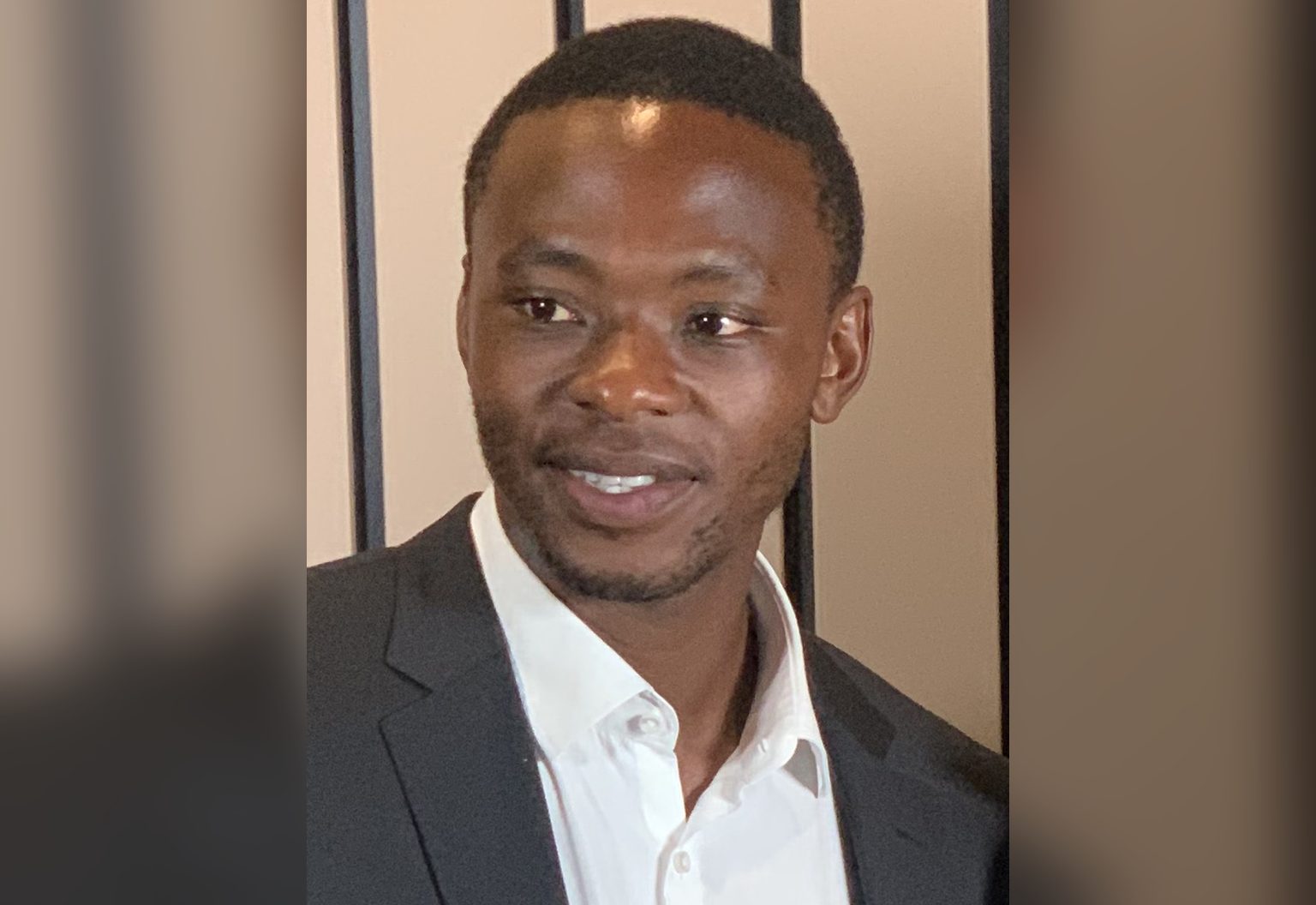
A hat-trick on ODI debut tends to hurry a reputation along. Kagiso Rabada did that in Mirpur in 2015, ripping through Bangladesh with 6 for 16 and becoming the first South African to take a hat-trick in his first one-day international. It was the kind of arrival that can define a young fast bowler. In Rabada’s case, it turned out to be only the opening burst.
What followed was a career built on more than speed alone. He had pace, certainly, but also control, stamina and a habit of producing his best overs when matches tightened. For South Africa, in the IPL and across domestic cricket, he developed into the sort of seamer captains trust with a new ball, an old ball and the hardest spells in between.
Early life in Johannesburg
Kagiso Shaquille Rabada was born on May 25, 1995, in Johannesburg, Gauteng. He grew up in a family with strong academic and professional foundations. His father, Mpho Rabada, is a doctor and businessman, while his mother, Florence Rabada, is a lawyer.
At St Stithians Boys College, cricket was only part of the picture. He also played rugby and took part in athletics, and that broader sporting background showed up later in his action: strong through the crease, balanced at the point of release, and athletic enough to repeat high pace without looking rushed.
His first major step into the wider cricket conversation came with South Africa Under-19s. Rabada was part of the side that won the 2014 ICC Under-19 World Cup, a team success that put several young players on the map and confirmed him as one of the country’s most promising quicks.
The domestic base that shaped him
Before the international headlines, there was the steady work of domestic cricket. Rabada made his first-class debut for Gauteng in 2013 and soon became a regular presence for both Gauteng and the Lions. Those seasons mattered. They gave him the overs, the long spells and the red-ball education that would later make Test cricket his strongest format.
He also spent time with Kent in county cricket in 2016, adding another layer to his development. English conditions asked different questions: fuller lengths, patience, and the ability to attack without always relying on pace. For a young fast bowler already moving quickly, it was useful grounding.
In South Africa’s T20 competitions, he later turned out for Jozi Stars and then MI Cape Town in SA20. His franchise career spread further with a stint at MI New York as well, but the pattern stayed familiar. Teams wanted him for impact overs and pressure moments.
International debut: a fast rise, then a faster one
Rabada’s first international appearance came in a T20I against Australia on November 5, 2014. The ODI debut arrived on July 10, 2015, against Bangladesh, and it remains one of the most striking starts any bowler has made in the format. His figures of 6 for 16 included a hat-trick, making him the first South African to claim one on ODI debut.
Test cricket followed on November 5, 2015, against India at Mohali. It did not take long for him to look at home. By 2016, he had become the youngest South African to take ten wickets in a Test match, an early sign that he was not simply a white-ball specialist with pace, but a complete fast bowler with the tools for long-form cricket.
The rankings soon reflected that rise. In 2017, he became the youngest player to reach No. 1 in the ICC ODI bowling rankings. In 2018, he also climbed to the top of the ICC Test bowling rankings and became the youngest bowler to reach 150 Test wickets.
Why Test cricket became his strongest stage
Some bowlers make noise in short bursts. Rabada’s game was built for longer arguments. In Tests, he could attack with the new ball, return for hostile middle spells and still find enough energy for one more decisive spell late in the match.
His record in the format has long stood out for both average and strike rate. Among high-volume fast bowlers, his ability to take wickets quickly has placed him in rare company. When he reached 300 Test wickets, he did so in fewer deliveries than any bowler before him, underlining what had been visible for years: he was not just collecting wickets, he was taking them at an unusually sharp rate.
That efficiency has often been paired with memorable match hauls rather than padded numbers. Five-fors, ten-wicket matches and series-turning spells became a recurring feature of his career. He also contributed useful lower-order runs, including a Test fifty, and later posted 71 as the highest score by a South African No. 11 in Test cricket.
One of the defining chapters came in the World Test Championship final, when South Africa won the 2025 title and Rabada took nine wickets in the match. It was exactly the sort of occasion that has tended to bring out his best: high stakes, hard surfaces, and a chance to drive the game with the ball.
ODI and T20I record
If Test cricket became the clearest measure of his class, Rabada’s white-ball record has been strong in its own right.
In one-day internationals, his debut remains the standout single performance, but it was not a one-off. He became a regular strike option for South Africa, trusted to attack early and return in the closing overs. He was part of South Africa’s squad at the 2019 Cricket World Cup, another major marker in his international career.
In T20Is, he brought similar qualities in a tighter format: pace, yorkers, hard lengths and enough variation to avoid becoming predictable. One of his most memorable moments came at the 2021 ICC Men’s T20 World Cup, when he took a hat-trick against England, becoming the first South African to do so in T20I cricket.
Across both limited-overs formats, the theme stayed constant. Rabada was rarely just filling overs. He was there to break partnerships and shift games.
IPL journey and franchise cricket
The IPL gave Rabada another stage, and he made a serious mark on it. He played for Delhi Capitals from 2017 to 2021 and was one of the competition’s most effective fast bowlers during that stretch. In 2020, he won the Purple Cap with 30 wickets, leading the tournament in dismissals.
He then moved to Punjab Kings after being bought for INR 9.25 crore ahead of the 2022 season. Later, he joined Gujarat Titans. Along the way, he set notable pace-bowling benchmarks in the league, including becoming the fastest to 50 IPL wickets by matches and, at the time, the joint-fastest to 100 wickets in the competition, reaching the mark in 64 matches.
For readers who search Kagiso Rabada fastest ball, the figure most often cited is 154.23 km/h, recorded during the 2019 IPL season. That number fits the broader picture, but it has never been the whole story with him. His best spells have usually come from the blend: pace, seam position, accuracy and competitive edge.
How he bowls
Rabada is a right-arm fast bowler and a left-handed lower-order batter. At his best, his action is compact and repeatable, which helps explain why he can bowl quickly without losing control. He attacks the stumps, hits the splice with heavy lengths and can shift from hard Test-match hostility to death-overs precision.
The old shorthand about him being aggressive is true, but incomplete. What has separated him is discipline. He can bowl the ball that demands attention, then follow it with three more in the same area. Batters are often forced into mistakes not because every delivery is spectacular, but because the pressure keeps building.
Off the pitch
Away from cricket, Rabada has generally kept a relatively measured public profile. Johannesburg remains closely tied to his identity, and his interests off the field stretch into music, fashion and gaming. He has spoken about his love of house and hip-hop, and he has also been associated with creative projects beyond the sport.
He has been linked with youth development work as well. Reports and published profiles have connected him to fast-bowling initiatives and charitable efforts focused on young players, coaching support and access to equipment. Where those projects are mentioned, the broad theme is consistent: using his platform to widen opportunity for the next group of cricketers.
On his private life, there is no publicly confirmed wife in the material provided. He was linked in media coverage to South African musician Sho Madjozi, but that was never confirmed as a relationship, and Rabada described her as a friend. Anything stronger than that would go beyond the available public record.
Setbacks and scrutiny
Fast bowlers rarely travel without friction, and Rabada’s career has had a few difficult moments. In 2017, he was suspended for the second Test against England after using inappropriate language following the dismissal of Ben Stokes.
A more serious issue emerged later when he revealed that he had served a ban related to recreational drug use. He was subsequently cleared to play in the World Test Championship final, where he played a central role in South Africa’s win. That episode is part of his career record and should be stated plainly, without stretching it into claims that are not supported.
One rumor also needs careful handling. A YouTube claim in 2025 reportedly tried to link him to a broader doping scandal. That remains an unverified rumor and should not be presented as fact.
Recognition and standing
Cricket South Africa recognized Rabada early and often. In 2016, he became the first cricketer to win six awards at CSA’s annual dinner. He was named CSA Cricketer of the Year in 2016 and 2018, and also collected major Test and ODI honors.
Those awards matched what his teams had already learned. He was not simply quick, and not simply talented. He was productive, durable and repeatedly decisive.
For anyone searching Kagiso Rabada age, Kagiso Rabada wife, or Kagiso Rabada stats, the broad outline is clear enough. He emerged from Johannesburg with elite promise, built a hard domestic base, exploded onto the international scene with one of the great ODI debuts, and became one of South Africa’s most important fast bowlers of his generation.
FAQ
What is Kagiso Rabada’s nickname?
He is widely known as KG.
When did Kagiso Rabada make his international debut?
His first international match was a T20I against Australia on November 5, 2014. He made his ODI debut on July 10, 2015, against Bangladesh and his Test debut on November 5, 2015, against India.
What kind of bowler is Kagiso Rabada?
He is a right-arm fast bowler known for pace, control, sharp strike rates and the ability to take wickets in all formats.
Did Kagiso Rabada win an IPL Purple Cap?
Yes. He won the Purple Cap in 2020 with 30 wickets.
Did Kagiso Rabada help South Africa win the World Test Championship?
Yes. In the 2025 World Test Championship final, he took nine wickets as South Africa won the title.
What is Kagiso Rabada’s fastest recorded speed?
The figure most often cited is 154.23 km/h during the 2019 IPL season.
Photo: KingdomKome, CC BY-SA 4.0, via Wikimedia Commons